
Zero-liquid-discharge, or ZLD, has become a familiar reference point in conversations about semiconductor wastewater, sustainability, and resource conservation. In practice, however, ZLD is often misunderstood. It is not a universal requirement, it is not always economically viable, and in many cases it is not aligned with what modern fabs actually need to achieve.
At the same time, “zero waste”, or more accurately near-zero waste, has emerged as a far more influential performance metric. Waste intensity, chemical usage, hauling frequency, and overall CO₂ impact increasingly drive decision-making, often more than whether a facility eliminates liquid discharge entirely.
Understanding the distinction between these two approaches is essential. Leading fabs are redefining wastewater performance around meaningful reductions in waste and resource intensity, with particular focus on dissolved metals, oxidants, and the reuse of high-purity chemistries.
What ZLD Actually Means
In its strictest definition, ZLD means that no liquid leaves the facility. Every gallon of wastewater is either evaporated, crystallized, condensed, or reused internally, with solids as the only output. Achieving this condition requires a complex and energy-intensive treatment train that typically includes multi-stage reverse osmosis, brine concentration, thermal evaporation, and crystallization.
These systems demand extremely high energy input, extensive redundancy, and constant operational attention. As a result, true ZLD is capital intensive, operationally complex, and costly to maintain. Even facilities with strong sustainability mandates often find that ZLD introduces a level of technical and financial burden that outweighs its benefits.
Why ZLD Is Not the Right Target for Many Fabs
Despite growing concerns around water availability, many fabs hesitate to pursue ZLD because of its inherent tradeoffs. Thermal concentration and crystallization processes require large amounts of electricity and steam, often increasing a site’s overall carbon footprint. Capital and operating costs are high, driven by specialized equipment, maintenance requirements, and staffing demands.
Just as importantly, not every gallon of water carries equal value. Many fabs do not need to recover all water; they need to recover the right water in a way that is stable, predictable, and compatible with production requirements. ZLD also does not eliminate waste risk. Concentrated solids still require disposal, and when metals, oxidizers, or process residues are present, those solids may remain classified as hazardous.
Finally, ZLD does not resolve upstream process challenges. When contaminants interfere with reclaim performance, ZLD simply concentrates those same contaminants more aggressively. For many facilities, this makes ZLD an inefficient path to sustainability. As a result, attention is shifting toward reducing waste intensity while increasing targeted reuse and reclaim.
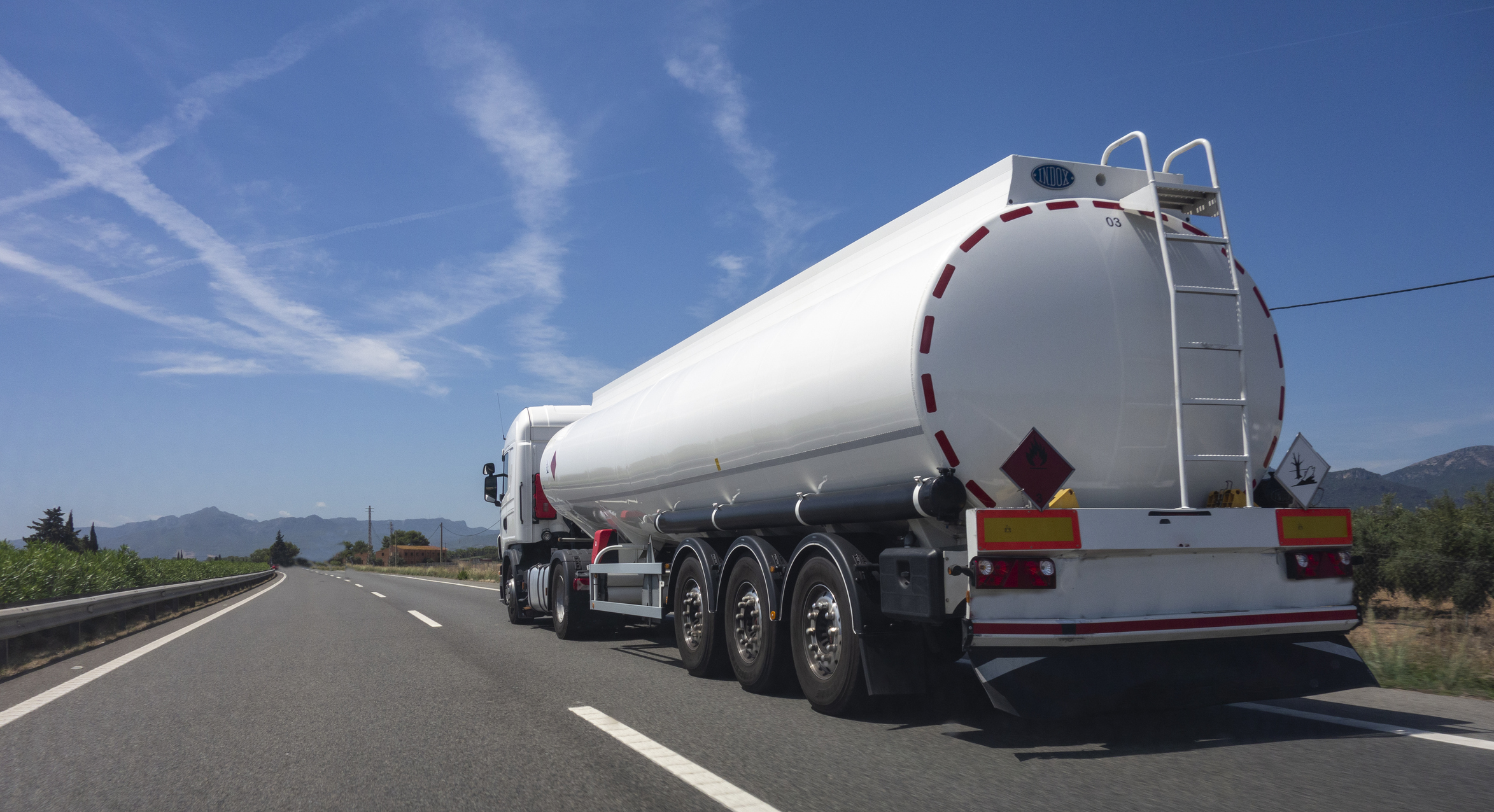
What “Zero Waste” Actually Means in Manufacturing
In an industrial context, zero waste does not imply the elimination of every waste stream. Instead, it refers to systematically minimizing waste generation, reducing sludge formation, lowering hauling frequency, cutting chemical consumption, and recovering materials where feasible. It also emphasizes protecting reclaim systems and reducing CO₂ impact across the entire treatment lifecycle.
This approach shifts the focus from absolute volumes to intensity-based metrics. What matters is not how much water is treated, but how much waste, energy, and carbon are produced per gallon of water or per unit of production. These metrics align far more closely with ESG frameworks, CSRD reporting, and Scope 1, 2, and 3 emissions tracking.
Where ZLD and Zero Waste Overlap and Where They Don’t
ZLD and zero-waste strategies do share common goals. Both aim to reduce environmental impact, improve water resiliency, limit dependence on external disposal pathways, and support long-term resource planning. The difference lies in what they optimize.
ZLD is fundamentally focused on liquid volume and discharge elimination. Zero waste focuses on waste intensity, chemical usage, and material recovery. A facility can achieve substantial sustainability gains without approaching ZLD at all by strengthening the parts of the treatment train that create waste and block reclaim.
The Real Bottlenecks to Reuse and Low-Waste Operation
Across advanced manufacturing, the primary obstacles to reuse and waste reduction are rarely evaporation capacity or membrane performance. Instead, they are upstream contaminants that downstream systems cannot tolerate.
Dissolved metals destabilize reverse osmosis membranes, reduce reclaim recovery, force bypasses, impact tool performance, and appear in discharge permits, complicating compliance. Oxidants such as hydrogen peroxide damage membranes, prevent reuse, block safe hauling, and behave unpredictably in mixed waste systems. High-purity acids that accumulate metals are expensive to replace, incompatible with disposal without treatment, and difficult to recycle internally. Sludge-heavy treatment methods add another layer of inefficiency by requiring constant chemical input, increasing waste volumes, inflating CO₂ footprints, and complicating sustainability reporting.
These factors ultimately determine how close a facility can get to zero waste and how stable its reclaim performance will be over time.
How Fabs Are Redefining Advanced Water Strategy Without Going to ZLD
Rather than treating ZLD as an absolute objective, leading fabs are adopting targeted waste-reduction strategies. These strategies focus on removing contaminants that block reuse, recovering materials where feasible, avoiding sludge-generating processes, eliminating oxidizers that interfere with hauling and reclaim, protecting polishing systems, preserving high-purity chemistries, and reducing CO₂ emissions per gallon treated.
This approach consistently delivers a far better cost-to-impact ratio than ZLD and avoids the operational complexity that often undermines long-term performance.
The Role of Specialized Treatment in a Zero-Waste Strategy
Within this framework, specialized treatment technologies play a critical role without relying on membranes or thermal processes. Selective dissolved metal removal and recovery eliminate metals that restrict reclaim performance, reduce waste intensity, produce recoverable material, and avoid sludge generation and chemical consumption. Oxidant destruction within high-purity matrices is essential for enabling safe hauling, unlocking reuse pathways, and protecting downstream media and membranes. Acid purification and reuse reduce chemical purchasing, stabilize supply chains, cut hauling events, and lower Scope 3 emissions.
These technologies do not create ZLD. Instead, they create the operating conditions under which high reclaim rates become stable, scalable, and sustainable.
Which Approach Creates More Impact?
ZLD delivers complete discharge elimination, but at the cost of very high energy demand, extremely high capital investment, complex operation, and in many cases an increased carbon footprint. It addresses liquid discharge but leaves upstream waste intensity largely untouched.
Zero-waste strategies, by contrast, reduce chemical input, lower sludge output, cut hauling volume, increase reclaim viability, improve site-wide CO₂ performance, and unlock circularity opportunities. For most fabs and advanced manufacturers, this approach delivers greater sustainability gains with significantly lower cost and risk.
Final Thoughts on ZLD
World-class sustainability does not require full ZLD. It requires stable and predictable removal of dissolved metals, elimination of oxidants that block reuse, preservation and recovery of high-purity acids, reduced sludge and chemical input, higher reclaim stability, lower waste intensity, improved CO₂ metrics, and safer, more controllable waste streams.
These are the levers that actually move a facility toward long-term performance. They are also the bottlenecks that modern, specialized treatment technologies are designed to solve.