
What Actually Counts as “Advanced” in 2026?
Industrial wastewater treatment has crossed a quiet but decisive threshold. A decade ago, “advanced treatment” usually meant adding another polishing step after neutralization or squeezing a few more points off a discharge limit. In 2026, that definition no longer holds. Advanced treatment is now shaped by reclaim reliability, chemical purity, circularity expectations, CO₂ accounting, and the growing need to manage process chemistries that do not behave like conventional industrial waste.
The word “advanced” no longer describes a category of equipment. It describes how a system performs under modern manufacturing conditions. Precision matters more than capacity. Stability matters more than throughput. Compatibility with reuse, reclaim, and high-purity processes matters more than whether a technology fits neatly into a legacy treatment taxonomy.
As facilities plan for 2026 and beyond, advanced wastewater treatment is increasingly defined by behavior and outcomes rather than by unit operations.
Why Legacy Definitions Have Broken Down
The traditional framework of primary, secondary, and tertiary treatment was built for municipal systems and broad industrial effluents. It assumes relatively forgiving water chemistry, clear distinctions between waste and product, and a linear path from treatment to discharge. That framework does not reflect how modern manufacturers actually operate.
High-tech and specialty industries now manage wastewater streams that contain high-purity acids, oxidizer-bearing chemistries, trace metals at parts-per-billion concentrations, and mixtures that must remain compatible with reclaim and reuse systems. Chemical supply chains are increasingly tracked for embedded carbon. Reactive wastes face tighter hauling restrictions. Sustainability reporting is tied not just to volume, but to waste intensity and lifecycle impact.
In this environment, treatment systems are no longer evaluated by how effectively they neutralize and dispose. They are evaluated by how predictably they perform, how little secondary waste they generate, and whether they enable or block reuse elsewhere in the facility.
What “Advanced” Means in 2026
By 2026, advanced wastewater treatment is defined by its ability to precisely address specific contaminants without destabilizing the broader process. This includes reliable removal of dissolved metals at extremely low concentrations, controlled destruction of oxidants such as hydrogen peroxide, and treatment of mixed or high-purity chemistries that cannot tolerate conventional additives. Performance must remain stable across changes in flow, temperature, and chemical strength. Systems that rely heavily on dosing accuracy or operator intervention increasingly struggle to meet this expectation.
Advanced treatment is also no longer an end-of-pipe function. Facilities now expect treatment systems to support reuse and reclaim rather than simply protect discharge permits. That means producing effluent compatible with reverse osmosis and polishing systems, removing constituents that foul membranes or resins, and preserving valuable chemistries where reuse is feasible. Treatment that enables internal circularity has become a core design requirement rather than an optional enhancement.
Another defining feature of advanced systems in 2026 is minimal dependence on consumables. Heavy use of coagulants, flocculants, regenerants, and polymers creates variability, secondary waste, and carbon exposure that is increasingly difficult to justify. Advanced systems are expected to operate with low or no continuous chemical input, generate little to no sludge, and avoid regeneration cycles that simply shift waste from one form to another. This directly aligns with ESG and CSRD frameworks that scrutinize waste generation and Scope 1, 2, and 3 emissions.
Finally, advanced treatment is now explicitly evaluated through a sustainability lens. Systems are expected to reduce hauling, eliminate sludge-based disposal pathways, lower chemical consumption, recover material value where possible, and demonstrate a lower lifecycle CO₂ footprint than conventional alternatives. Wastewater treatment is no longer exempt from the same scrutiny applied to energy systems or raw material sourcing.
Where Advanced Treatment Is Taking Hold First
Industries with the tightest purity requirements and the least tolerance for variability have led the shift toward advanced wastewater treatment. Semiconductor and advanced packaging facilities, for example, routinely manage oxidizer-bearing wet clean chemistries, high-purity acids targeted for reuse, and reclaim systems that cannot tolerate trace contamination. In these environments, conventional treatment is often incompatible by design.
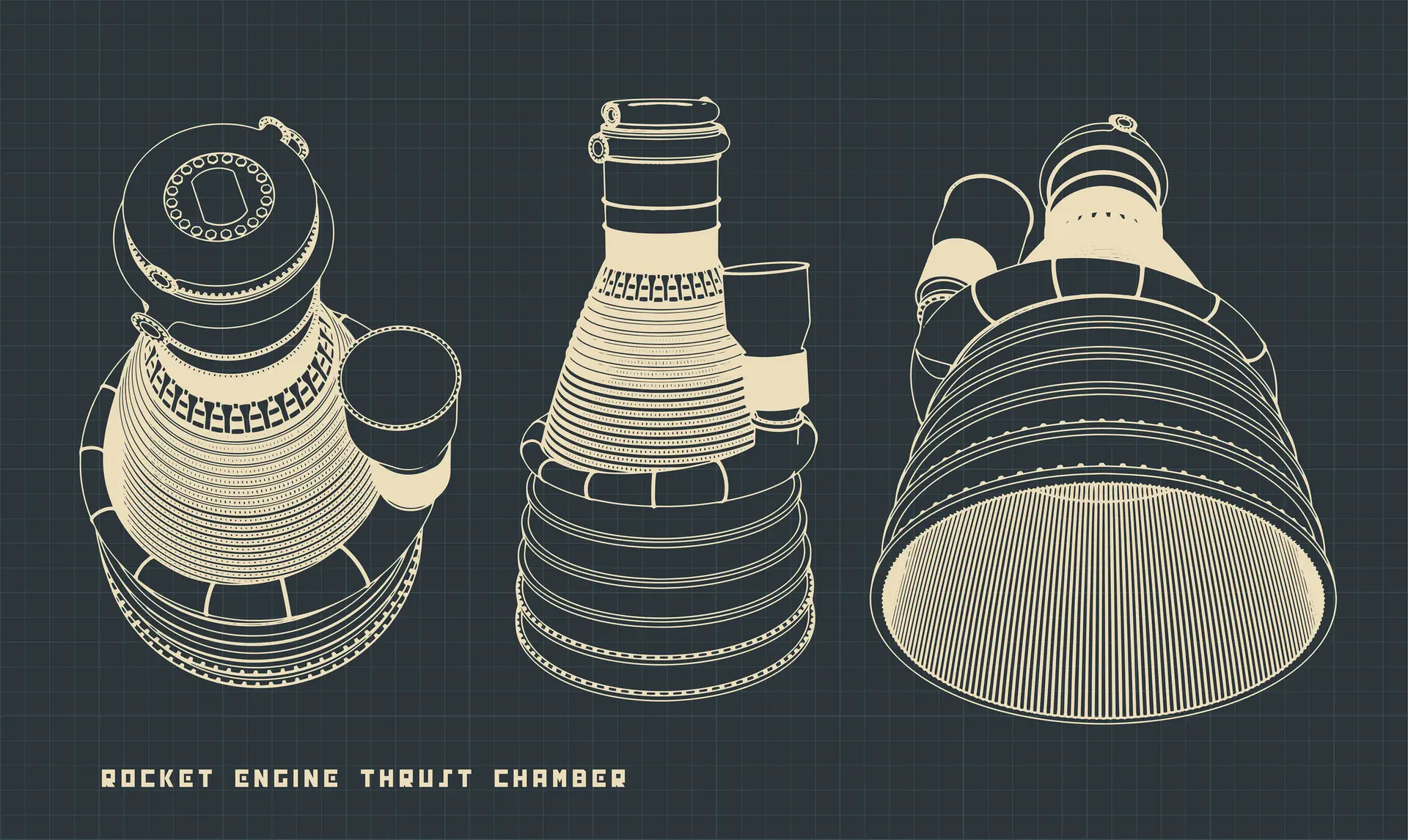
Aerospace and defense manufacturers face similar pressures, particularly in high-value metal finishing operations where consistency and quality thresholds are unforgiving and process variability carries significant risk. Medical device and implant manufacturers must manage trace metals that directly affect product certification and regulatory approval, leaving little margin for treatment drift. Specialty materials and advanced metals producers increasingly view proprietary chemistries and high-value metals as assets rather than waste streams to be neutralized and discarded.
What began in these sectors is now spreading outward as other industries confront the same economic, regulatory, and sustainability pressures.
How Advanced Treatment Differs in Practice
The difference between conventional and advanced treatment is no longer subtle. Conventional systems tend to rely on precipitation, coagulants, and polymers, producing sludge that must be handled, hauled, and disposed. Their performance often fluctuates with temperature, flow, and dosing accuracy, and they treat all contaminants as liabilities even when recoverable value exists. Many are fundamentally incompatible with oxidizers and introduce ions that complicate downstream reclaim.
Advanced systems, by contrast, selectively remove metals and oxidants, often producing recoverable solids without sludge. They are designed to operate without continuous chemical addition, remain stable across operating variability, and integrate cleanly with reclaim and reuse infrastructure. The result is less hauling, lower lifecycle emissions, and treatment that supports production rather than constraining it.
Why the Definition of “Advanced” Matters and Where ElectraMet Fits
As regulatory pressure, water scarcity, and carbon accounting converge, legacy wastewater treatment is becoming harder to defend economically and operationally. Facilities are redesigning treatment trains around predictable performance, compatibility with high-purity chemistries, internal circularity, and measurable reductions in waste intensity and CO₂ impact. Flexibility for future process changes is no longer optional. ElectraMet’s wastewater management systems help in this regard.
In 2026, advanced wastewater treatment is not defined by a technology label or a piece of equipment. It is defined by how well a system like ElectraMet’s supports manufacturing reliability, safety, sustainability, and long-term resilience. For many facilities, that standard is rapidly becoming the baseline rather than the exception.